While searching for a fun resource to use in the
classroom, I thought who better to ask than an educator – my mother. She told
me about a website that has been working well for the children and teachers on
the high school level, but could also be beneficial to middle grades aged children.
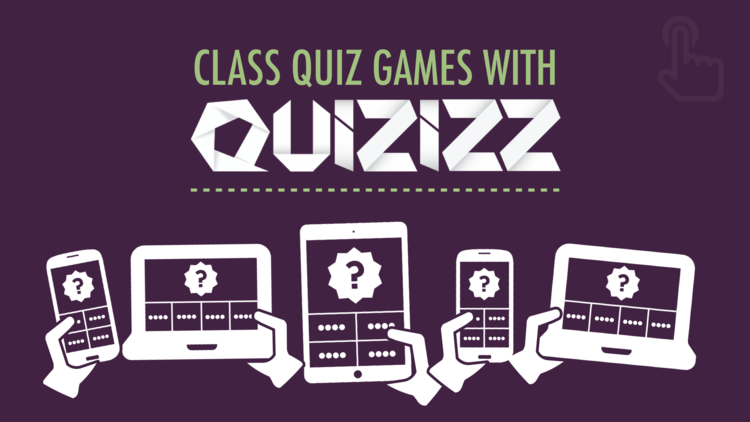
 Quizizz is a free website that allows teachers to make
up their own quiz or use quizzes that other content area teachers have created.
It works on all devices so the teacher has the option of allowing children to
pull out their cell phones. Students are also given the opportunity to work at
their own pace. While the children are engaged, it gives the teacher an
opportunity to analyze how much each individual student has retained. At my mom’s
school, they use this data as an actual quiz grade. Unlike Kahoot, the teacher’s
host computer is not used to display the questions for the students. Instead,
it shows the instructor the class’ real time results. Quizziz shows the
questions and answers on the students’ devices rather than just the symbols
that they would get on Kahoot. Quizizz has been more efficient in comparison.
Quizizz is a free website that allows teachers to make
up their own quiz or use quizzes that other content area teachers have created.
It works on all devices so the teacher has the option of allowing children to
pull out their cell phones. Students are also given the opportunity to work at
their own pace. While the children are engaged, it gives the teacher an
opportunity to analyze how much each individual student has retained. At my mom’s
school, they use this data as an actual quiz grade. Unlike Kahoot, the teacher’s
host computer is not used to display the questions for the students. Instead,
it shows the instructor the class’ real time results. Quizziz shows the
questions and answers on the students’ devices rather than just the symbols
that they would get on Kahoot. Quizizz has been more efficient in comparison.
Teachers may assign Quizzizz as an in-class activity
or as homework. It works well as homework because it is not the “boring” pen
and pencil work. Also, because the teacher can make up their own quiz and a lot
of the shared quizzes are original, the children cannot merely look up the
answers on Quizlet or Google.
253


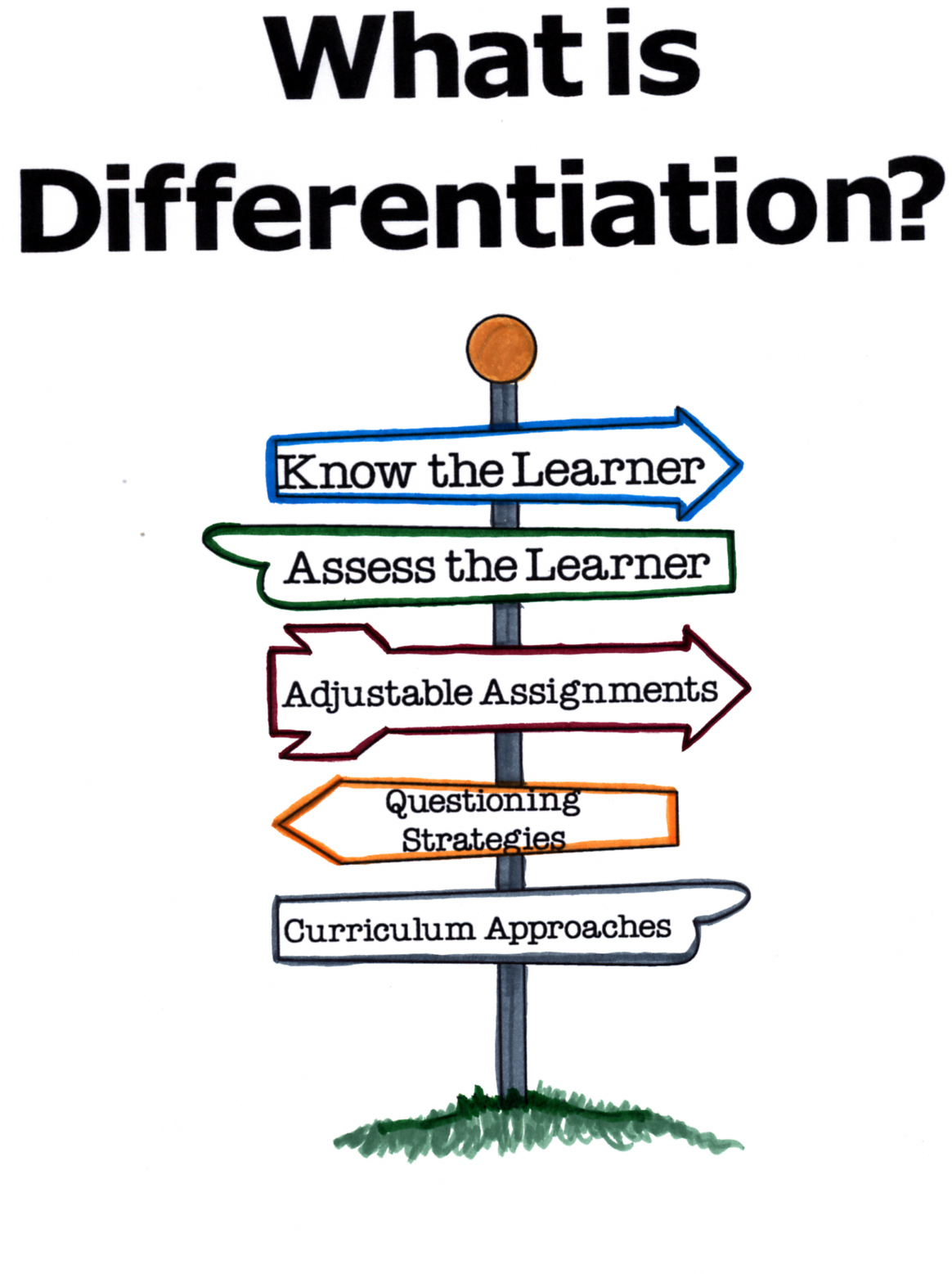

 I have decided to center
my text set around the Integration of Knowledge and Ideas portion of the
Georgia Standards of Excellence for 8th graders. There are three
standards listed under this heading, however, two of them especially grabbed my
attention. ELAGSE8R17 requires the
instructor to teach the students how to “evaluate the advantages and
disadvantages of using different mediums (e.g., print or digital text, video,
multimedia) to present a particular topic or idea.” ELAGSE8R19 requires students to learn how to “analyze a case in
which two or more texts provide information on the same topic and identify
where the texts disagree on.” Because I believe that the two of these standards
are inextricably connected in a sense, I would like to tackle both of them in my
text set. In my opinion, ELAGSE8R19 can
be used to prove or examine ELAGSE8R17.
Students will use an example of how two texts tell the same story from
completely different perspectives to identify some advantages and disadvantages
of using different means of presenting information. This text set will be
instrumental in not only fulfilling the requirements delineated in the standard,
but also teaching students the importance of thinking for themselves amongst
other literary skills.
I have decided to center
my text set around the Integration of Knowledge and Ideas portion of the
Georgia Standards of Excellence for 8th graders. There are three
standards listed under this heading, however, two of them especially grabbed my
attention. ELAGSE8R17 requires the
instructor to teach the students how to “evaluate the advantages and
disadvantages of using different mediums (e.g., print or digital text, video,
multimedia) to present a particular topic or idea.” ELAGSE8R19 requires students to learn how to “analyze a case in
which two or more texts provide information on the same topic and identify
where the texts disagree on.” Because I believe that the two of these standards
are inextricably connected in a sense, I would like to tackle both of them in my
text set. In my opinion, ELAGSE8R19 can
be used to prove or examine ELAGSE8R17.
Students will use an example of how two texts tell the same story from
completely different perspectives to identify some advantages and disadvantages
of using different means of presenting information. This text set will be
instrumental in not only fulfilling the requirements delineated in the standard,
but also teaching students the importance of thinking for themselves amongst
other literary skills. 



 Kahoot.com certainly earns a spot on my list of resources. Although it is not what I would call a typical resource, I have experienced first hand how effective the website can be in a middle grades classroom. When I attended grade school, we did not use much technology. In fact, I had only seen Kahoot once prior to observing a science class at Hilsman Middle here in Athens. Needless to say, that one time was definitely not successful. However, the second time around, I observed children actively engaged in class. They were eager to answer the questions because it was on a platform that they could relate to. Kahoot allows teachers to present their materials in the form of a game. Once the children log on, they are allowed to answer each question before the timer goes off. Kahoot then shows the right answer. I especially liked the fact that it showed how many got the answer right and how many did not without displaying which child it was. This allows the teacher to assess the class without the children feeling the embarrassment of not getting the answer correct. This also helps the children feel comfortable because it remains anonymous. As a result, the teacher is able to get 100% participation. Additionally, Kahoot records the scores of each individual student for the teacher's sake. I will definitely be using Kahoot in my classroom no matter the content area.